
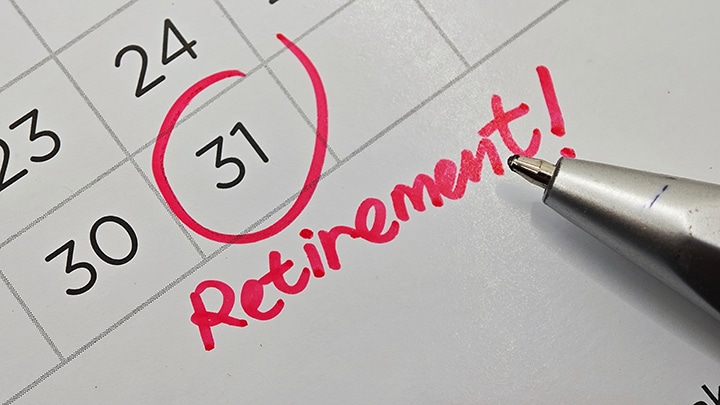
One of the most common conversations I have with federal employees nearing retirement starts with a simple question:
“Should I retire now… or should I keep working?”
At first glance, it seems like a financial decision. Most people assume the longer they work, the better retirement will be. A bigger pension. A larger TSP balance. More security.
And to some degree, that is true.
But after helping many federal employees transition into retirement, I have noticed something surprising. In a lot of situations, working several extra years changes retirement far less than people expected. Meanwhile, those years are something you can never get back.
That realization changes the conversation quickly.
I recently recorded a video discussing this topic because I believe many federal employees are asking the wrong retirement question.
The question is not always:
“Can I retire?”
Sometimes the more important question is:
“What am I actually gaining by continuing to work?”
The “One More Year” Trap
We see this all the time.
Someone reaches retirement eligibility. Technically, they could retire comfortably. But emotionally, they hesitate.
They start thinking:
“My pension could be a little higher.”
“My high three could improve.”
“I could contribute more to the TSP.”
“I just want to feel more secure.”
And honestly, those thoughts make complete sense.
Retirement is one of the biggest transitions a person will ever go through. Walking away from a paycheck after decades of working can feel uncomfortable even for people who have saved extremely well.
But this is where running real retirement projections becomes so valuable.
Because when we sit down and actually build out the numbers, many people are surprised by what they see.
Working Longer Often Changes Less Than People Think
Many federal employees assume that delaying retirement by a few years will dramatically improve their financial future.
Sometimes it does.
But many times, the improvement is much smaller than expected.
The pension may increase, but not dramatically. The high three may barely change. And in many cases, investment growth inside the TSP continues whether someone is still working or already retired.
This is one of the biggest mindset shifts we see with clients approaching retirement.
Many people suddenly realize they may already have enough.
In fact, some federal employees are on track to accumulate far more money than they will realistically spend during their lifetime if they continue working and investing aggressively for many additional years.
And almost every time, I hear the same response:
“I don’t need that much money.”
That is usually the moment when retirement planning stops being just about math and starts becoming about life.
The Real Goal Is Not Always More Money
For some people, continuing to work is exactly the right choice. Some federal employees truly enjoy their careers and want to continue working for personal fulfillment.
There is absolutely nothing wrong with that.
But many people eventually realize the goal is no longer simply maximizing wealth.
The goal becomes:
- More freedom
- More time with family
- More flexibility
- More travel
- More experiences
- More years while health is still good enough to enjoy retirement fully
That is the side of retirement planning many people overlook.
Because eventually, time becomes more valuable than additional accumulation.
Money can continue growing.
Time cannot.
Retirement Is Not Just a Financial Decision
One of the biggest mistakes people make is assuming retirement readiness is purely about numbers.
It is not.
I have seen people who were fully prepared financially but completely unprepared emotionally.
Their identity was tied to work. Their routine was tied to work. They knew what they were retiring from, but they had not thought deeply about what they were retiring to.
And that can make retirement surprisingly difficult.
There is a quote I have always appreciated:
People need something to do, someone to love, and something to look forward to.
If those things are missing, retirement can feel far less fulfilling than expected no matter how much money someone has accumulated.
That is why retirement readiness has two sides:
- Financial readiness
- Mental readiness
Both matter.
The Importance of Having a Coordinated Retirement Plan
This is why planning matters so much.
The decision to retire is not simply about hitting a specific age or account balance. It is about understanding how all the pieces of retirement work together.
Taxes.
TSP withdrawals.
Pension income.
Social Security.
Healthcare.
Investment growth.
Long term income planning.
These decisions are connected.
And in many situations, making better decisions around taxes, income planning, and investment strategy can have a much larger impact than simply working another year or two.
That is one of the biggest reasons federal employees seek out retirement planning help in the first place. They want clarity. They want confidence. They want to understand whether continuing to work is actually improving their future in a meaningful way.
Watch the Full Video
I recently recorded a full video discussing this topic in more detail, including the emotional and financial factors federal employees should think through before deciding whether to retire or continue working.
If you would like to watch the video or learn more about federal retirement planning, visit Christy Capital Federal Retirement Resources.
If you are within a few years of retirement, this is not a decision you want to make casually. Having a coordinated strategy can make a major difference not only financially, but in the quality of the years ahead.